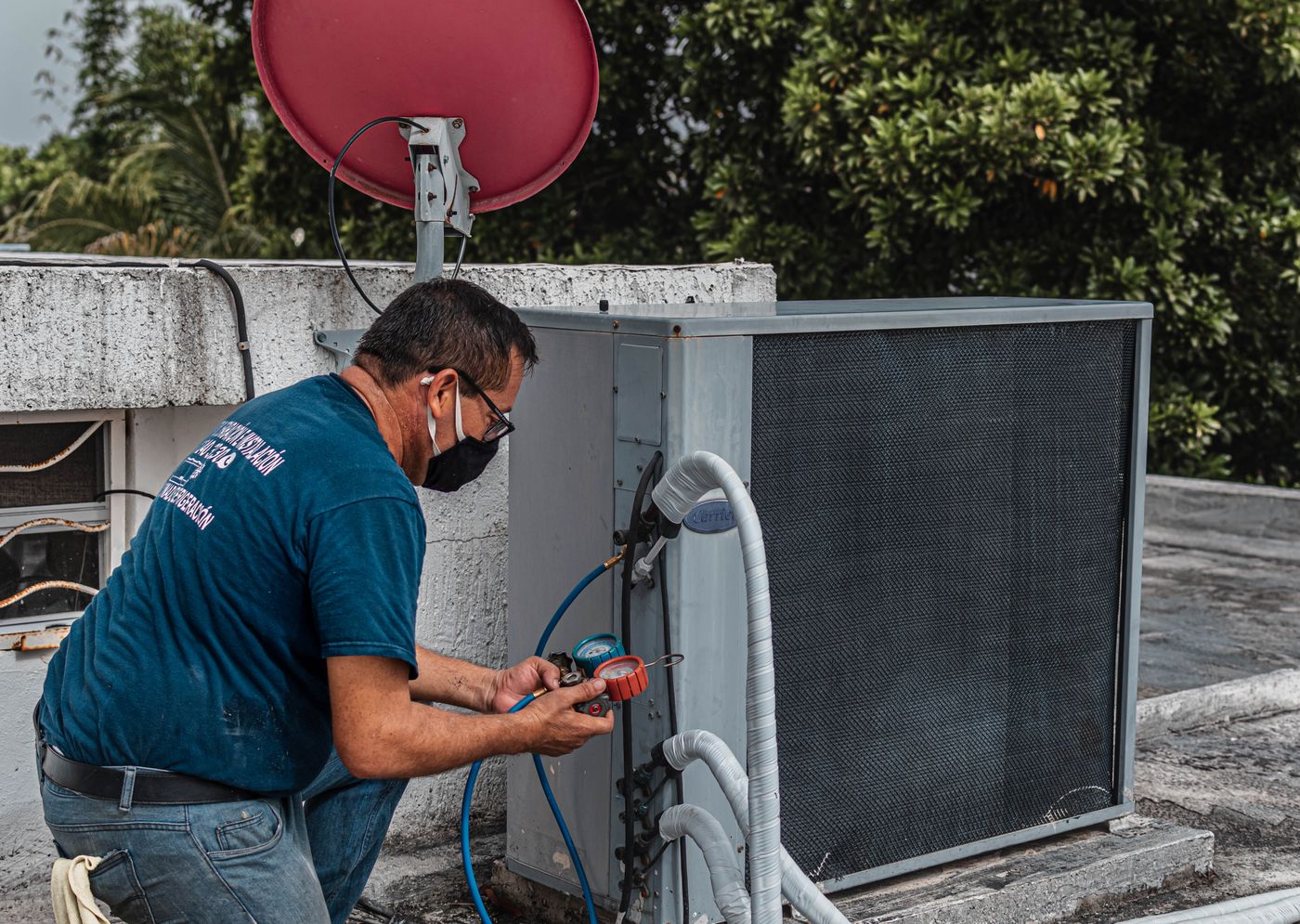
When an HVAC system fails, the fastest repair can be tempting. But a repair only makes sense if it solves the problem at a reasonable cost and the rest of the system is still in useful condition.
Start with the diagnosis
Ask the technician to explain which component failed, why it failed and whether the problem is isolated or connected to broader system wear.
Look at the pattern of repairs
One inexpensive repair is different from repeated service calls. Keep prior invoices together so you can see the total cost and whether failures are becoming more frequent.
Compare comfort, not just equipment age
Uneven temperatures, persistent humidity issues, excess noise or short cycling can indicate that the current setup is not performing well even when it still runs.
Request comparable replacement options
If replacement is on the table, ask for at least two equipment choices and a written explanation of what changes between them.
Check what the quote includes
Installation details, disposal, permits, thermostat changes, duct modifications and warranties can materially affect the total project.
Before you decide
Keep copies of estimates, contracts, warranties and important communications. For regulated services or high-value projects, independently verify credentials or requirements that apply in your location.