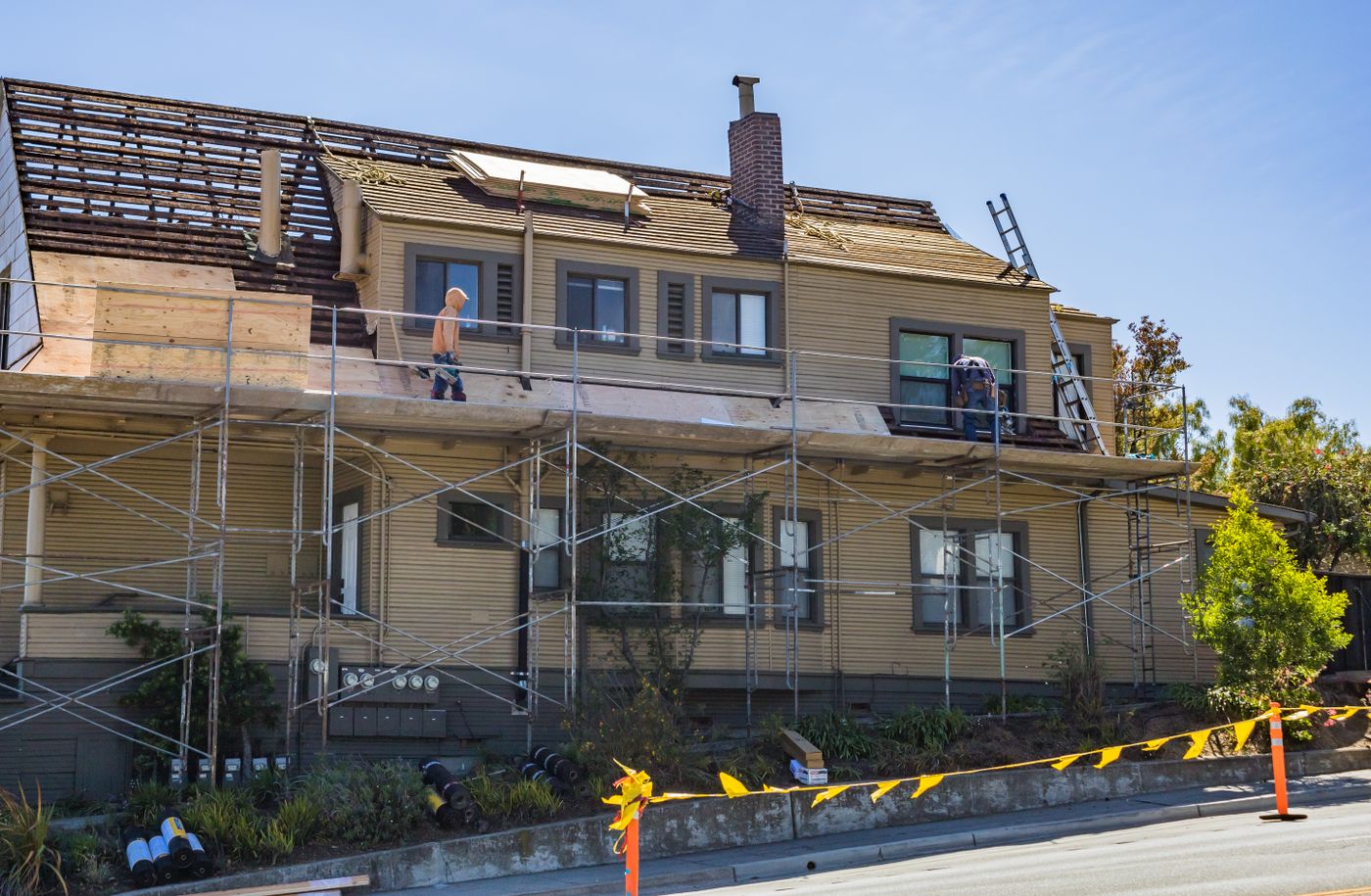
A good estimate should tell you what is being installed, what preparation is included and what happens if the crew finds hidden damage.
Normalize the bids
Create a simple checklist and mark whether every contractor includes tear-off, underlayment, flashing, ventilation, cleanup, permits and disposal.
Compare the exact materials
Look for manufacturer, product line, color, accessory products and any upgraded components.
Read warranty language carefully
Ask which coverage comes from the manufacturer and which coverage comes directly from the installer.
Check exclusions and allowances
An allowance can make an estimate look complete while leaving the final cost uncertain. Ask how extras are calculated.
Use price as one factor
After scopes are comparable, price becomes more useful. Also consider communication, documentation, licensing information and the clarity of the contract.
Before you decide
Keep copies of estimates, contracts, warranties and important communications. For regulated services or high-value projects, independently verify credentials or requirements that apply in your location.